Short answer: mid-March to May, or late September through November. Those two windows give you dry roads, open passes, and drivers who aren't fielding phone calls about snow blocking the route. Everything else on the calendar — the monsoon months and the depths of winter — comes with a real chance that the mountain leg of your trip gets rerouted, delayed, or cancelled outright.
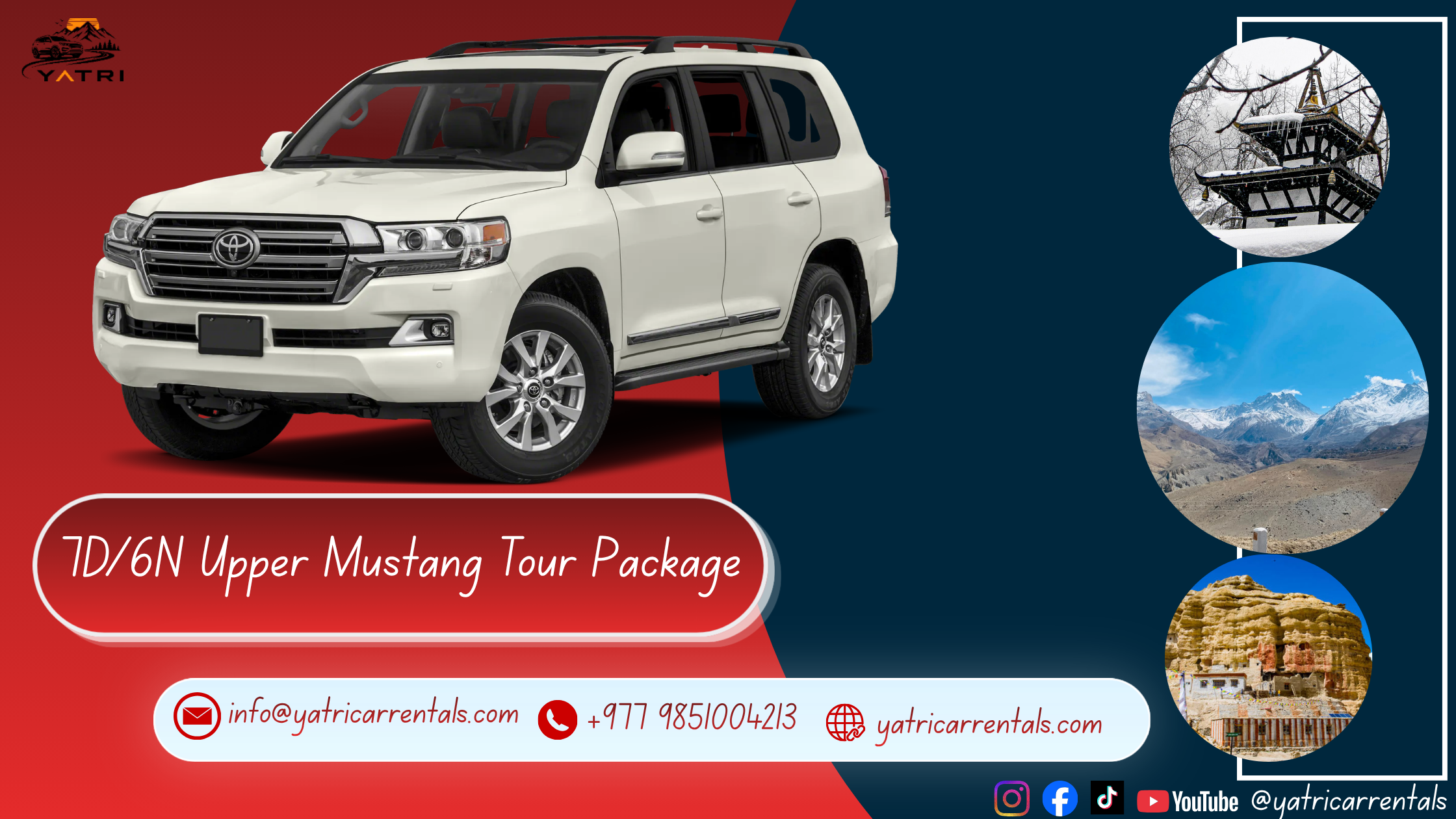
That's the whole answer if you're in a hurry. If you're actually building an itinerary — say, a Mustang Tour By Jeep or a run up to Muktinath and any other mountainous region like it, it's worth understanding why those months matter, because the reasons change what you should actually book.
A Kathmandu city tour or an airport transfer doesn't really care what month it is. The roads are paved, low-altitude, and maintained year-round. Mountain routes are a different story. Once you're climbing toward Mustang, Muktinath, or the high passes off the Kathmandu-Pokhara corridor, you're dealing with narrow roads cut into hillsides, thinner traffic infrastructure, and weather that behaves very differently at 3,000 metres than it does in the valley. Two things drive almost every disruption: monsoon rain and winter snow.
Nepal's monsoon isn't a fixed date on a calendar — it's a weather system that moves in from the east and takes a few weeks to fully arrive and, later, to leave. According to the Department of Hydrology and Meteorology (DHM), the government body that tracks this every year, the long-term average onset is around June 13 and the average withdrawal is around October 2, though both dates shift by a week or two most years.
What matters for a road trip isn't the calendar date so much as what the rain does to the hills. Heavy, sustained monsoon rainfall is the single biggest cause of landslides on Nepal's mountain highways, and certain stretches — sections of the Kathmandu-Pokhara highway included — are known landslide-prone points that can shut a route for hours or days after a bad storm. We've written before about how private vehicles were finally allowed through the Nagdhunga tunnel in 2026, partly because it bypasses one of the more exposed sections of old highway — a good example of how infrastructure and weather risk are connected on these routes.
If your trip is rain-shadow territory — Upper Mustang, for instance, sits north of the Annapurna-Dhaulagiri range and gets a fraction of the rainfall the southern valleys do — monsoon can actually work in your favor with thinner crowds and lower prices. But getting there still means driving through the wetter lower valleys first, so the risk doesn't disappear just because your destination is dry.
On the other end of the year, snow is the issue, and it's not a rare or edge-case problem — it happens most winters. The 12-kilometre road between Kagbeni and Muktinath, for example, has been fully blocked by snowfall multiple times in recent winters, closed for days at a stretch while local authorities and security forces cleared it with excavators before reopening it to traffic. Upper Mustang sees the same pattern most years: roads toward Lo Manthang and the villages around it can become impassable for vehicles once heavy snow sets in, and district administration offices routinely ask tourists to avoid travelling until conditions improve.
This isn't limited to Mustang. Any high-altitude route with a pass above roughly 3,000-3,500 metres carries winter snow risk, and even when a road is technically open, ice on a narrow mountain stretch is a different driving problem than rain ever is. If you're weighing which vehicle can actually handle these conditions, our post on which vehicle to hire for Muktinath goes into more detail — short version, you want a proper 4WD, not a sedan.
Spring (March to May) and autumn (late September to November) sit in the gap between those two problems. The monsoon has either not yet arrived or has finished dumping its rain, and the winter snowline hasn't dropped far enough to block the roads you'd actually be driving. Nepal Tourism Board data backs this up in the numbers, not just the weather: October is consistently the busiest month for visitor arrivals, precisely because the roads, trails, and mountain views are all at their most reliable.
A couple of caveats worth knowing before you lock in dates:
None of this means monsoon or winter travel is off the table — plenty of people do it every year, and a good driver who knows the current road conditions is worth more than any date on a calendar. What it does mean is that if you're planning a mountain route specifically, the month you choose should be a deliberate decision, not an afterthought. We've covered some of the more common mistakes first-time visitors make once they're actually on these roads in 7 Things First-Time Visitors Get Wrong About Driving in the Himalayas, and the basics of what to check before you rent at all in 9 Things You Should Know Before Renting a Car in Nepal.
If you're still figuring out dates, our drivers track road and weather conditions on the routes we run every week, which is often more useful than any forecast. Have a look at our tour packages or browse the fleet for the mountain routes you're considering, and feel free to get in touch before you book — we'll tell you honestly if your dates are a good idea or not.
Sources: Nepal Department of Hydrology and Meteorology (DHM) monsoon onset/withdrawal data; Nepal Tourism Board visitor statistics; local news reporting (Khabarhub, Republica, Rising Nepal Daily, The Tourism Times) on Kagbeni–Muktinath and Upper Mustang road closures.
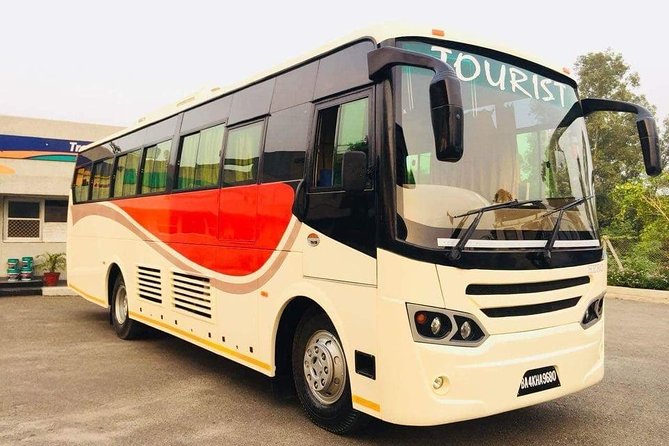
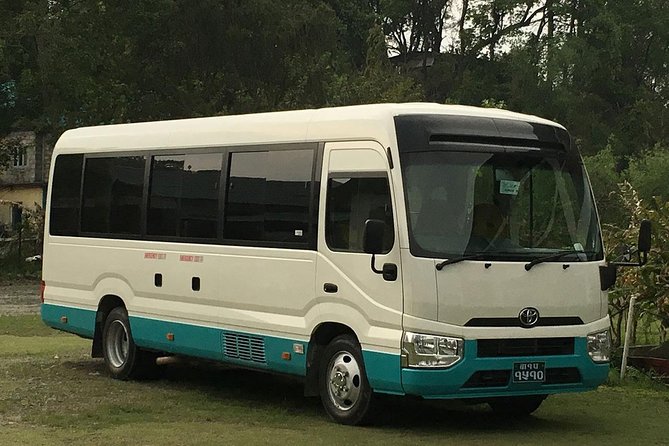
Rent sedan cars, 4WD Scorpio SUVs, HiAce vans & tourist buses with experienced drivers across Nepal.