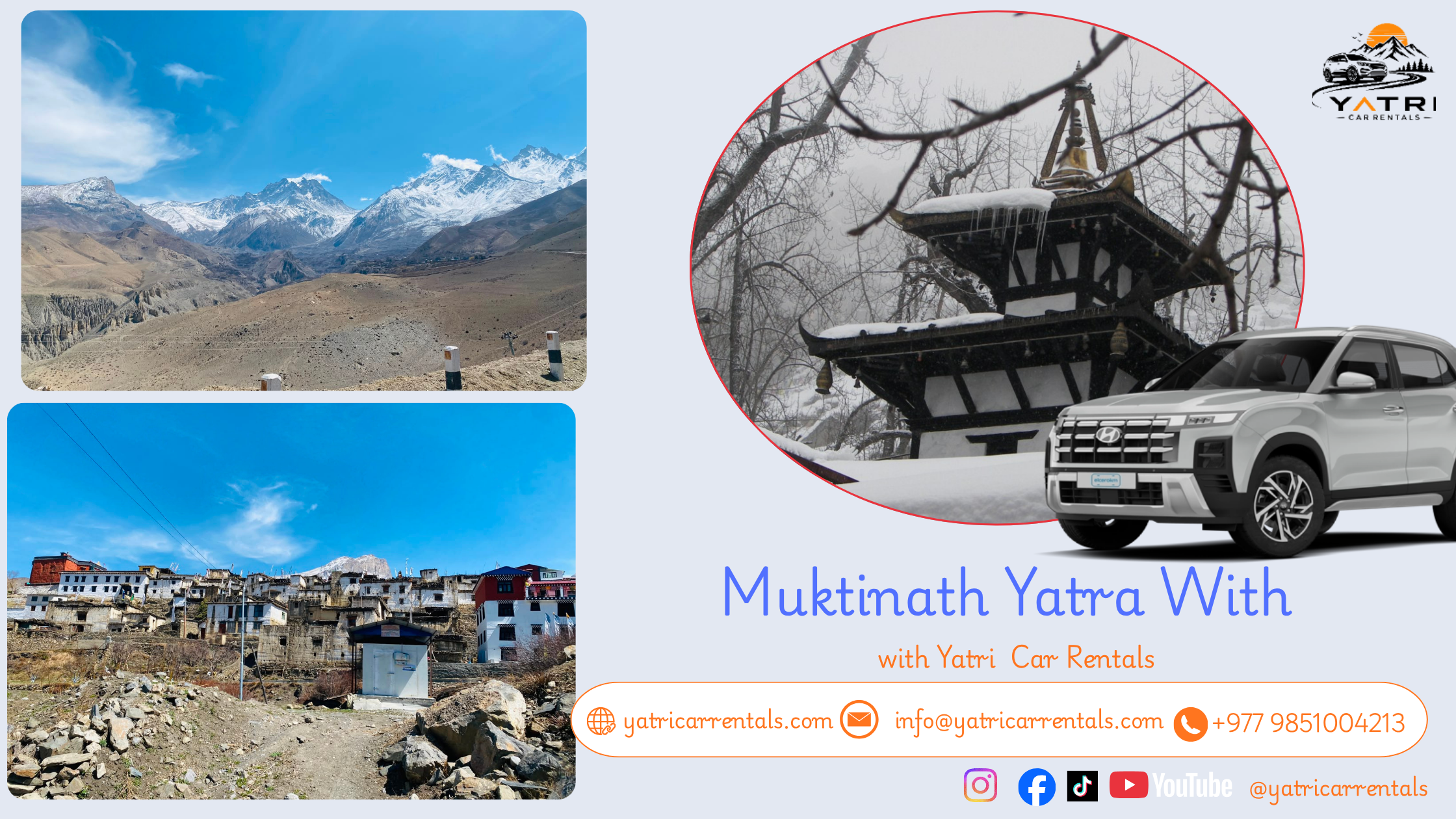
The hard part of a Muktinath yatra is not the distance. It is how fast the trip takes you from Pokhara, which the Nepal Tourism Board (NTB) places at about 800 metres, to a temple at roughly 3,700 metres or more. Older pilgrims are usually best served by a slower version of the standard itinerary: a night in Jomsom before the temple, a morning flight with a spare day behind it, and warm layers in the bag even in summer. The sections below explain each of those choices and point to the official guidance behind them.
Published figures for the shrine differ by about ninety metres. NTB gives 3,800 metres, while our own 5N/6D Kathmandu to Muktinath package and most guidebooks use 3,710. Plan around the higher number.
The CDC Yellow Book (2026 edition) reproduces ascent guidance from the Wilderness Medical Society. Travelers should avoid going from low ground to a sleeping altitude of 2,750 metres or more in a single day. Once above 3,000 metres, they should sleep no more than about 500 metres higher than the night before, and add a rest night for every 1,000 metres gained. Jomsom Airport sits at 2,736 metres, right at that first line, which is why a night in Jomsom is the sensible base for the temple. Sleeping at Muktinath itself would mean gaining roughly a thousand metres of sleeping altitude in one night, about double the guideline rate. Visiting the shrine by day and sleeping lower keeps you well inside it.
This is general guidance, and it is not a substitute for a medical check. The CDC also tells clinicians to screen travelers for conditions that heat, cold, altitude or exertion can make worse, so anyone with a heart or lung condition, or on regular medication, should speak to their own doctor before booking. The same source mentions acetazolamide for cases where a fast ascent can't be avoided. Whether it suits you is a prescription decision, not something to pick up along the way.
If a headache, nausea or unusual tiredness keeps getting worse, go down and tell the driver straight away. The CDC lists unsteady walking and confusion as warning signs of the severe form of altitude illness, and those two mean descend without waiting to see how the afternoon goes.
The order is Kathmandu, Pokhara, Jomsom, Muktinath, then back the same way. Our 6-day package follows exactly that line, with Pashupatinath on the final morning if your departure time allows. From Pokhara you can reach Jomsom by air, or by road along the Kali Gandaki through Beni and Tatopani. NTB notes that a road now links Jomsom with Beni, and that buses run through to Muktinath. Distances and road surfaces for each stretch are set out in our post on which vehicle to hire for Muktinath, so they are not repeated here.
The first long day is Kathmandu to Pokhara, which our package page puts at six to seven hours by road or a 25-minute flight. If the road day sounds like too much for a parent or grandparent, our Domestic Flight Ticket Service can book that sector. If you prefer to drive, the Kathmandu to Pokhara Car Rental service covers it. Either way, treat the Pokhara night as a rest night. The town is low, the lakeside is flat, and our Pokhara Tour Service can fill an easy half-day if you arrive early.
We also run a shorter 2N/3D Pokhara to Muktinath and Mustang tour that starts from Pokhara. Fewer days means less slack for weather, so it suits pilgrims who are already in Pokhara and healthy, not those who want the gentlest pace. Whichever package you choose, tell us at the enquiry stage that you want the night before the temple spent in Jomsom, and we will confirm what can be arranged for your dates.
Jomsom's airport is run by the Civil Aviation Authority of Nepal, and its flying pattern explains most of the delays pilgrims complain about. Wikipedia's entry on the airport, which draws on NTB and CAAN material, puts the daily Pokhara window at 6:00 to 12:15 in good weather. Sun heats the air over Mustang and pulls strong southerly winds up the Kali Gandaki gorge, so conditions worsen after the early morning. The same entry says visibility is too poor for visual flying about 15 percent of the time.
Our package page makes the same point in plainer words: Jomsom flights run in the morning only and get cancelled often. If the flight doesn't go, the alternative is the overland route through Beni and Tatopani, which the package says adds a day or two. Two practical rules follow. Keep a spare day in the schedule, especially in winter and monsoon. And don't book an onward international flight for the day after you return to Kathmandu.
The best months for a mountain road trip, and the reasons the monsoon and winter cause trouble, are covered in our seasonal guide. For older pilgrims, that advice carries extra weight. A blocked road at 3,700 metres is a bigger problem for someone who needs steady rest and easy access to medical help than for a fit trekker, so lean toward the spring and autumn windows.
Time of day matters too. Fly in the early morning, when the wind is lowest. Try to be at the temple during the sunlit hours and back at your lodge before dark. Our package page warns that Muktinath is above 3,700 metres and cools quickly once the sun is down, so pack a warm jacket, a cap and gloves even for a summer trip.
NTB describes Muktinath as sacred to both Hindus and Buddhists. Scripture mentions the site, including the Ramayana, Barah Purana and Skanda Purana. The fossil stones known as shaligrams are taken to represent Vishnu, and the pagoda-style temple holds a Vishnu idol that NTB dates to the 16th century. Buddhist nuns and Brahmin priests both worship there. Nearby, the Jwala Mai shrine keeps an eternal blue flame alight. Our package page adds the 108 water spouts, which many pilgrims include in their rituals.
Take the visit in stages rather than as one push. Ask your driver, before you arrive, how far the vehicle can go and how much walking or climbing remains. Stop when you are short of breath, and treat any water ritual with the air temperature and your own health in mind. After the temple, the 6-day package heads back down through Jomsom and Kagbeni, so you are sleeping lower again within a few hours. If Pashupatinath is also on your list, our Pashupatinath Temple Darsan with Rudravishek service can give it a proper morning of its own in Kathmandu.
Insurance deserves a careful read. Our package excludes travel insurance and any costs caused by flight delays or weather cancellations, so check that your policy covers altitude and disruption before you pay for anything else. Meals also sit outside the package, since lunch and dinner are excluded.
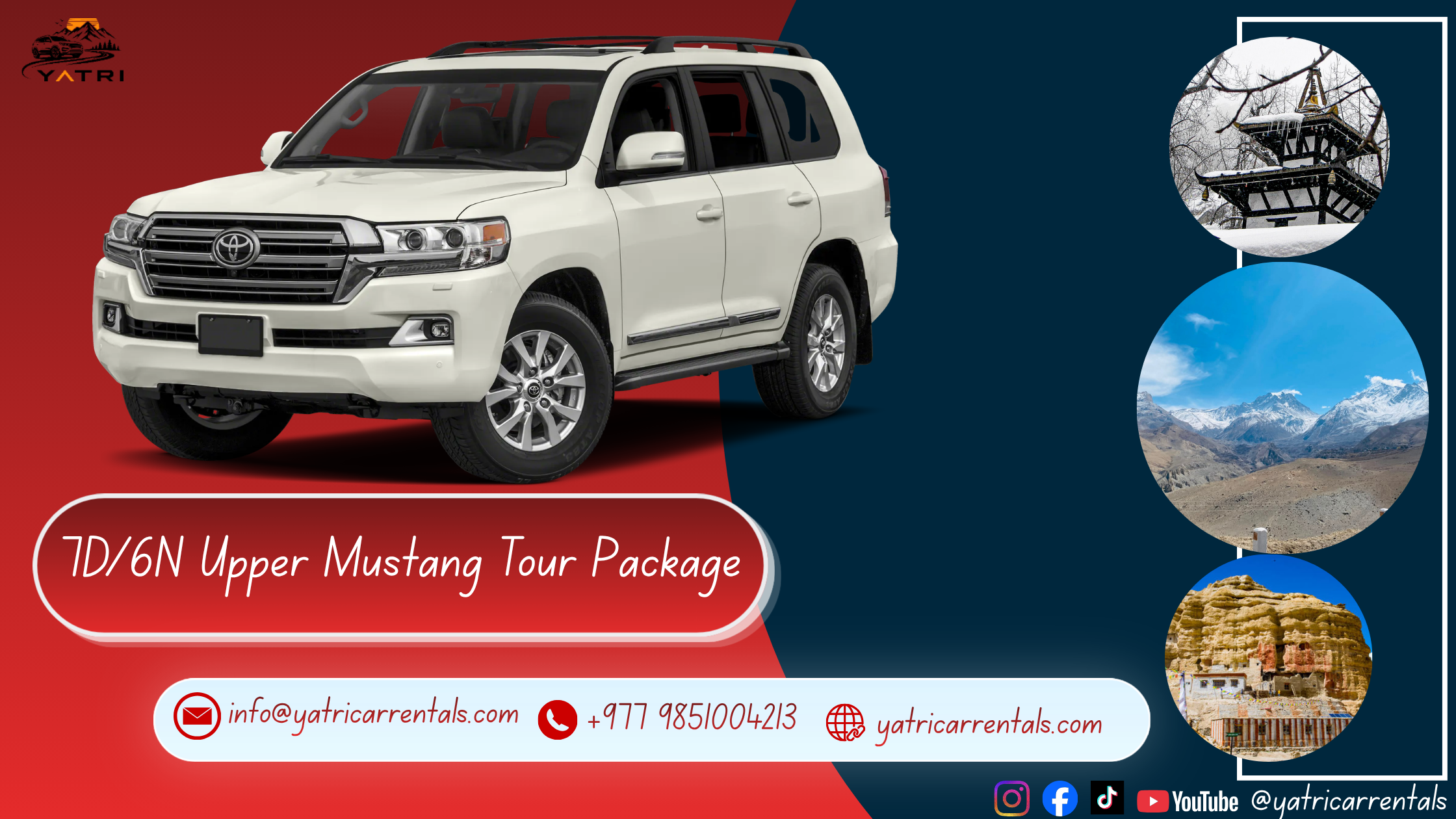
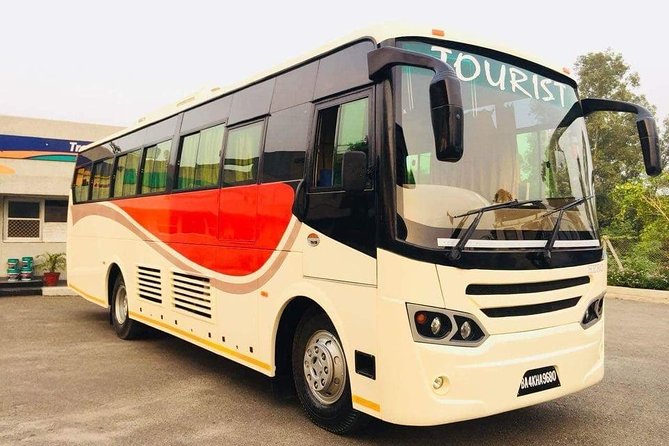
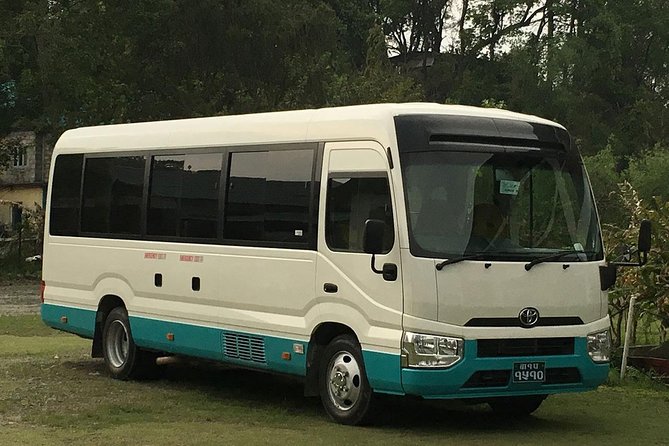
On the road, the vehicle choice affects how the days feel. The Muktinath package lists a car, a Toyota Hilux (4 seats) and a Land Cruiser (5 seats) among its options. Our vehicle post explains why a 4WD is needed past Beni. For larger families, our Family Holidays Tour is the place to start, and the full fleet shows what else is available. Our airport transfer service meets you on arrival, which spares tired travelers a taxi negotiation after a long flight. For the driving itself, our note on first-time mistakes on Himalayan roads is worth a read with the family.
Send us your dates, the number of travelers and any health or mobility needs through the contact page, and we will suggest a pace that fits the group.
Is Muktinath sacred to Buddhists as well as Hindus? Yes. NTB describes it as sacred to both, and the Buddhist and Hindu traditions each have their own reasons for visiting.
Should someone with a heart or lung condition skip the yatra? That is a question for their own doctor, not for a tour operator. The CDC advises clinicians to screen travelers for conditions that altitude or exertion can aggravate, so the check should happen before booking.
What if the Jomsom flight is cancelled? Go by road through Beni and Tatopani, which our package page says adds a day or two, or wait for the next morning's window. That is why a spare day matters. Costs caused by flight delays and weather sit outside the package, so check your insurance.
Can we add Pashupatinath to the trip? Yes. The 6-day package ends with a Pashupatinath visit on the final morning if the departure time allows, and the darsan service can also be booked on its own.
Author: Sudip Regmi
Sources: Nepal Tourism Board (ntb.gov.np), Muktinath and Pokhara pages; CDC Yellow Book 2026, "High-Altitude Travel and Altitude Illness" and adventure-travel chapters; Wikipedia's Jomsom Airport entry, citing NTB and the Civil Aviation Authority of Nepal; Yatri Car Rentals package and blog pages.
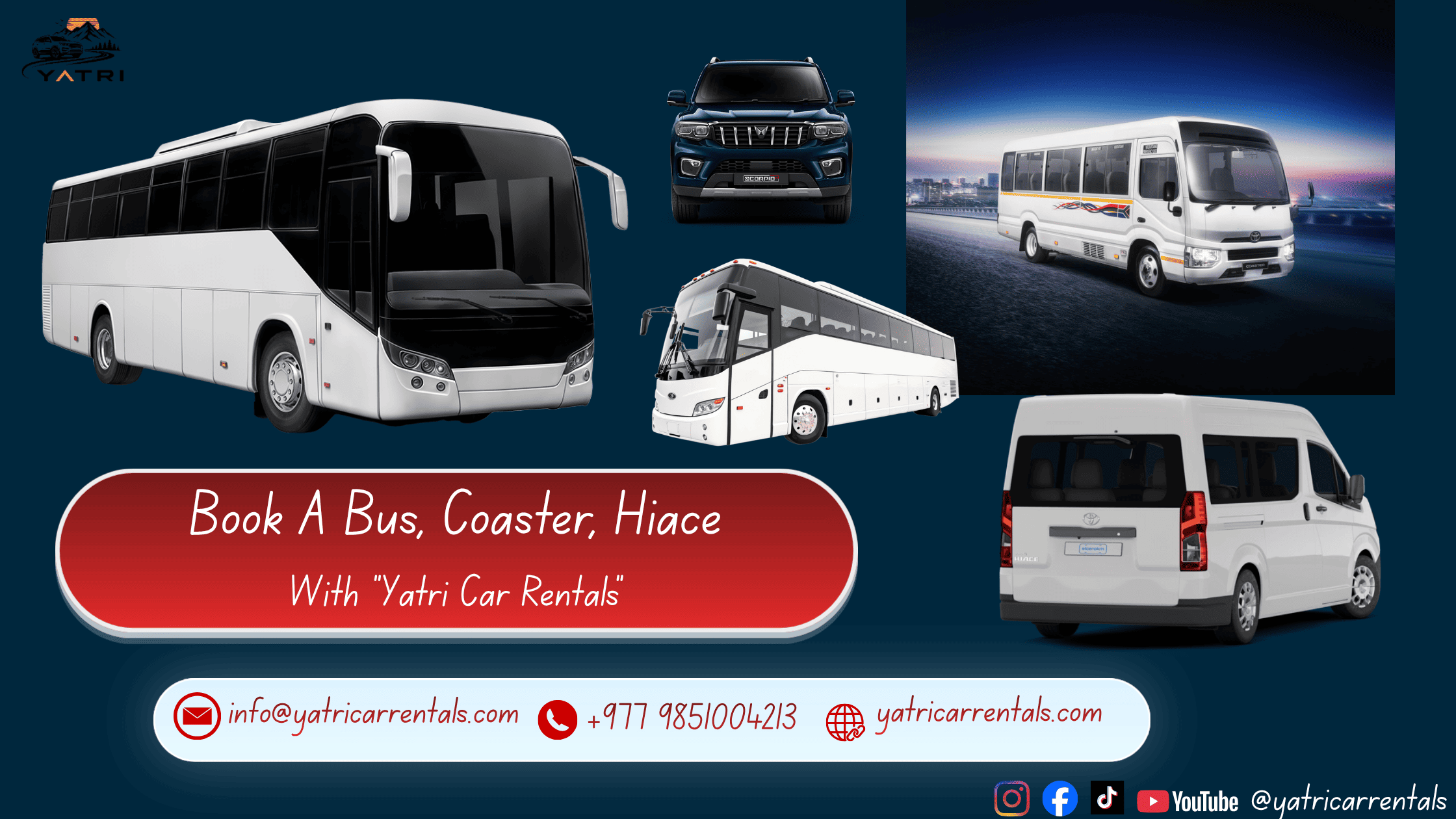
Rent sedan cars, 4WD Scorpio SUVs, HiAce vans & tourist buses with experienced drivers across Nepal.