
Short answer: yes. Nepal has one of the strongest hospitality-toward-guests cultures anywhere in Asia, and the one metric that actually matters for personal safety is moving in the right direction. The country's Global Terrorism Index score improved in 2025, down to 0.29 out of 10 from 1.11 the year before (10 is worst). That's about as low as the scale goes, and it tracks with what most solo female travelers actually come home describing: getting overcharged for a taxi, maybe some staring, not anything violent.
A private driver adds a layer on top of that baseline. Not because Nepal has some hidden crime problem cars solve — it doesn't, really — but because road travel here has its own separate set of issues that have nothing to do with safety statistics and everything to do with infrastructure.
Now the part people are actually Googling, because it deserves a straight answer instead of being buried. Nepal currently sits at U.S. State Department Level 2: Exercise Increased Caution, as of March 31, 2026 — the same tier as France, Germany, or Japan see during periods of unrest. That's down from Level 3 ("Reconsider Travel"), which had been in place since the Gen Z protests started in September 2025. Protests have stopped, the situation's described as stable, though local unrest can still flare up with little warning in cities. And to be clear: that advisory is about civil unrest and infrastructure. Not crime aimed at tourists. It doesn't say a word about risk specific to women.
The Global Peace Index tells a rougher version of the same story, and honestly it looks worse than it is if you don't read past the headline. Nepal dropped to 111th out of 163 countries in 2026, its lowest spot since the index started in 2008, and the fall was the steepest single-year decline of any country measured that year. That's the same September 2025 unrest driving the number down, not an uptick in violent crime. Which is worth sitting with for a second, because a stat like "biggest drop in the world" reads scary out of context and means something much narrower once you know what's actually being measured.
None of that answers what people actually mean when they ask this question, though: is it safe to get in a car alone with a stranger here? That comes down to roads and drivers, not national politics.
City-by-city safety scoring roughly matches what solo-travel guides already say from experience. Pokhara scores around 69 out of 100 on independent safety trackers, ahead of Kathmandu and Chitwan, both closer to 61. Crime severity nationally sits around 4 out of 10, and that number is mostly petty theft and overcharging doing the heavy lifting, not violent offenses — kidnapping and terrorism risk are both scored close to zero. In Thamel, Pokhara's Lakeside, and heritage towns like Patan, there's enough foot traffic and tourist police around that most women say they feel fine walking during the day.
Where it gets more mixed is the Terai border towns near India, where harassment gets reported more, mostly after dark. But honestly, for road travel, location isn't really the main issue. The roads are. Nepal's highways are narrow and mountainous, a lot of them only partly maintained, and that's flagged directly in official advisories as a real concern with zero connection to crime. Take the Prithvi Highway (between Kathmandu and Pokhara), the busiest route in the country. Two hundred kilometers. Six to eight hours once roadwork and traffic get added in. Now do that stretch after dark, or put it on a bus racing a rival for the next fare, and the risk piles up fast. Nothing to do with gender. Everything to do with the ride you picked.
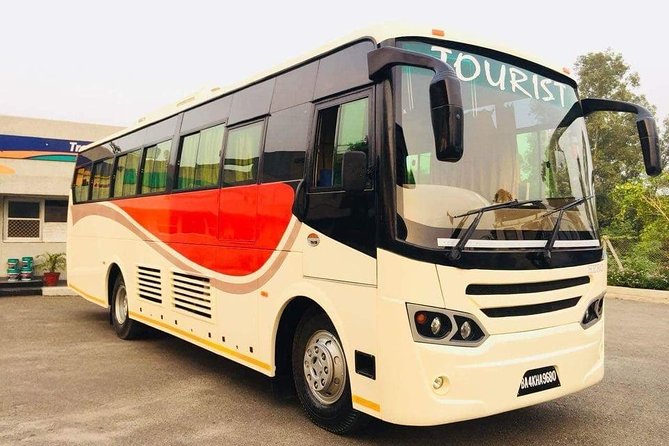
Local buses in Nepal often compete for fares on the same route. That means faster driving, more unscheduled stops, and less predictability, a pattern common enough that most solo-travel guides recommend tourist buses over local ones for any route outside Kathmandu Valley. A private driver sidesteps the problem entirely: no competing for passengers, no unscheduled stops, no rotating cast of strangers boarding next to you for six hours.
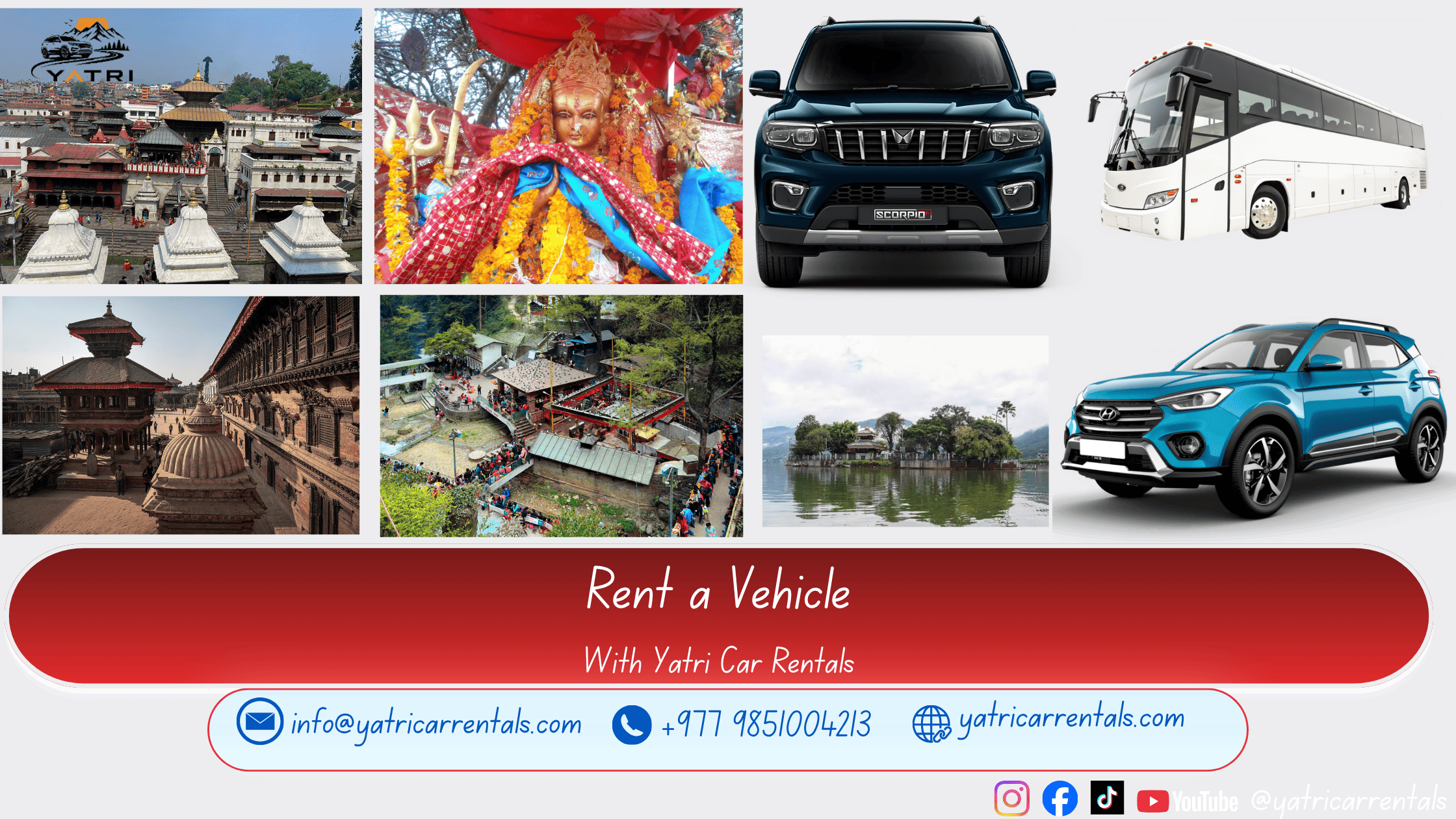
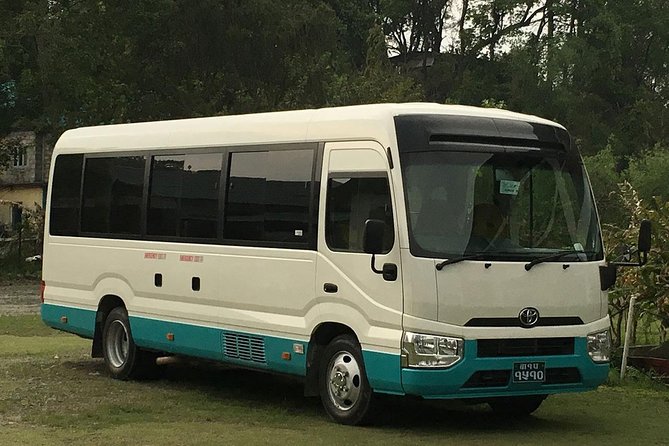
There's a control element too, and it's not a small one. You choose the pickup time, the pickup point, and, through Yatri Car Rentals' fleet, the vehicle size itself. A sedan for a solo day trip in Kathmandu Valley is a different situation entirely from a shared 15-seat Hiace with an unfixed passenger list you can't see in advance.
Not every "car with driver" listing in Nepal is put together the same way. Before handing over any money, it's worth confirming:
Landing at Tribhuvan International Airport alone, at night, without local currency yet, is probably the single most exposed moment in the entire trip. It's also the easiest one to remove in advance. A pre-arranged airport transfer means a named driver is waiting with a sign, the price is already agreed, and you're not standing in an arrivals hall negotiating with taxi touts while jet-lagged. That one decision removes more risk than almost anything else on this list.
A single transfer and a multi-day road trip aren't the same category of risk, even with the same driver. Covering Kathmandu, Pokhara, and Chitwan over several days means real hours alone with one person, often on quiet roads between towns. Plenty of women do exactly this route every year and come away with nothing worse than tired legs. Still, it's worth being more deliberate about who you book with for something that long.
Ask whether the same driver stays with you the whole trip, or changes daily. A consistent driver tied to a real business with a fixed office and public reviews is a different arrangement than a rotating set of subcontracted drivers. For a fully guided option — like the Kathmandu Valley sightseeing tour with a guide — there's a second person present for most of the day, which some solo travelers prefer over a driver-only setup.
A car and driver on the road is not the same risk category as solo trekking, and it's worth keeping those separate. Nepal's own regulations now reflect that split too. As of the 2026 trekking season, solo trekking without a licensed guide is no longer permitted inside national parks, conservation areas, or restricted areas, which covers most of the well-known routes: Annapurna Circuit, Langtang, Manaslu. Some sections of the Everest region still allow independent hiking, though a guide is still advised there as well.
That's a trail rule, not a road rule. But the logic underneath it is the same one that applies to hiring a driver: going with a verified, accountable professional beats going informal, whether that's on a mountain trail at 4,000 meters or a highway between two cities.
iNone of this is about being afraid — it's about not standing out more than necessary. Nepal is a democratic,republic and a secular country, having public freedom rooted deeply in its root. In the city area, people really don't care what you wear, however, dressing modestly, shoulders and knees covered, especially near temples, is standard advice for a reason that costs nothing to follow. A handful of Nepali greetings go further than most people expect. A beautiful phrase Athithi devo Bhawa: (Guests are Gods), a well Hospitality toward guests runs deep in Nepali culture, and a little effort on your part tends to come back around.
A car and driver is one of the more controllable, lower-risk ways for a solo woman to get around Nepal. Safer than local buses on the same routes. More predictable than flagging something down on the street. And it isn't touched by the political unrest that shows up in the national-level statistics — that's a separate story entirely. What risk does exist tends to sit in a few specific, avoidable places: informal street-hired drivers, unlicensed operators, unlit roads at night, border towns after dark. Book through a registered company, agree the price before you travel, keep a real way to reach them if plans change. The FAQ page has the booking specifics, or it's faster sometimes to just ask directly.
Is Nepal currently under a travel advisory? Absolutely Yes!!. Level 2, Exercise Increased Caution, issued by the U.S. State Department on March 31, 2026. That's the same tier as plenty of popular European destinations get during periods of unrest, and it's about occasional civil unrest, not crime aimed at tourists.
Does the 2026 Global Peace Index drop mean Nepal is less safe for tourists? Not really, no. Nepal fell to 111th out of 163 countries after the biggest single-year decline of any nation measured, but that came from September 2025 political unrest due to Gen-Z protest, not a rise in crime. The terrorism-specific score actually got better over the same stretch, down to 0.29 out of 10.
Is a private driver actually safer than a public bus? For routes between cities, yes. Local buses compete with each other for fares on the same route, which means faster driving and more unplanned stops. A private driver with a set itinerary just doesn't have that incentive.
What's the riskiest moment for a solo traveler landing in Nepal? Getting off the plane at night with no pickup arranged and no local currency yet. Booking an airport transfer ahead of time takes that whole moment off the table.
Do I need a licensed guide for road travel, the way trekkers do now on the trail? No — that mandate is specific to solo trekking inside national parks and conservation areas as of the 2026 season. Driving between cities is unregulated by comparison, though the same basic logic still applies: go with someone verified.
Do Nepali car rental companies usually ask for payment upfront? Reputable ones don't. Yatri Car Rentals doesn't require the full payment before the trip, and that's a fair baseline to expect from any operator you're comparing.
If you're putting a solo Nepal trip together, the vehicle fleet page is a decent place to start — it'll show you what actually fits a solo traveler versus what's built for groups. Worth a look at the NTVA rates too, just so you know what fair looks like going in. And if it's easier to just ask than to keep reading, here's how to reach us.
Author: Yatri Car Rentals
Sources: U.S. Department of State Travel Advisory (issued March 31, 2026); Institute for Economics & Peace, Global Peace Index 2026; Global Terrorism Index (Institute for Economics & Peace, via Trading Economics); IsMyTripSafe city safety index (August 2026); traveladvisory.io crime and risk indicators.
Rent sedan cars, 4WD Scorpio SUVs, HiAce vans & tourist buses with experienced drivers across Nepal.